


Rank referral-building strategies that actually work. Compare 6 methods to grow your customer pipeline and close more deals as a car salesman.
In this article
- Why Referrals Matter for Your Sales Career
- The 6 Best Referral Strategies for Car Salespeople, Ranked
- #1: Post-Sale Follow-Up & Direct Ask
- #2: Body Shop & Collision Center Partnerships
- #3: Insurance Agent Relationships
- #4: Formal Referral Incentive Program
- #5: Online Reviews & Social Proof
- #6: Professional Network Training
- Putting It All Together: Your Referral System
- Start with #1, Then Build
Why Referrals Matter for Your Sales Career
Here's the reality: referrals are the highest-quality leads you'll ever get. They come pre-sold. The customer's friend or colleague already trusts you enough to stake their reputation on recommending you. That's gold.
But most car salespeople don't have a referral strategy. They wing it. They hope satisfied customers will magically send business their way, then wonder why the phone doesn't ring. The difference between struggling salespeople and consistent closers? The closers actually ask for referrals, and they ask systematically.
Related: Best Sales Tools for Struggling Car Salespeople 2026: Top 5 Ranked
Related: Best Car Sales Follow-Up Strategies 2026: Top 5 Ranked
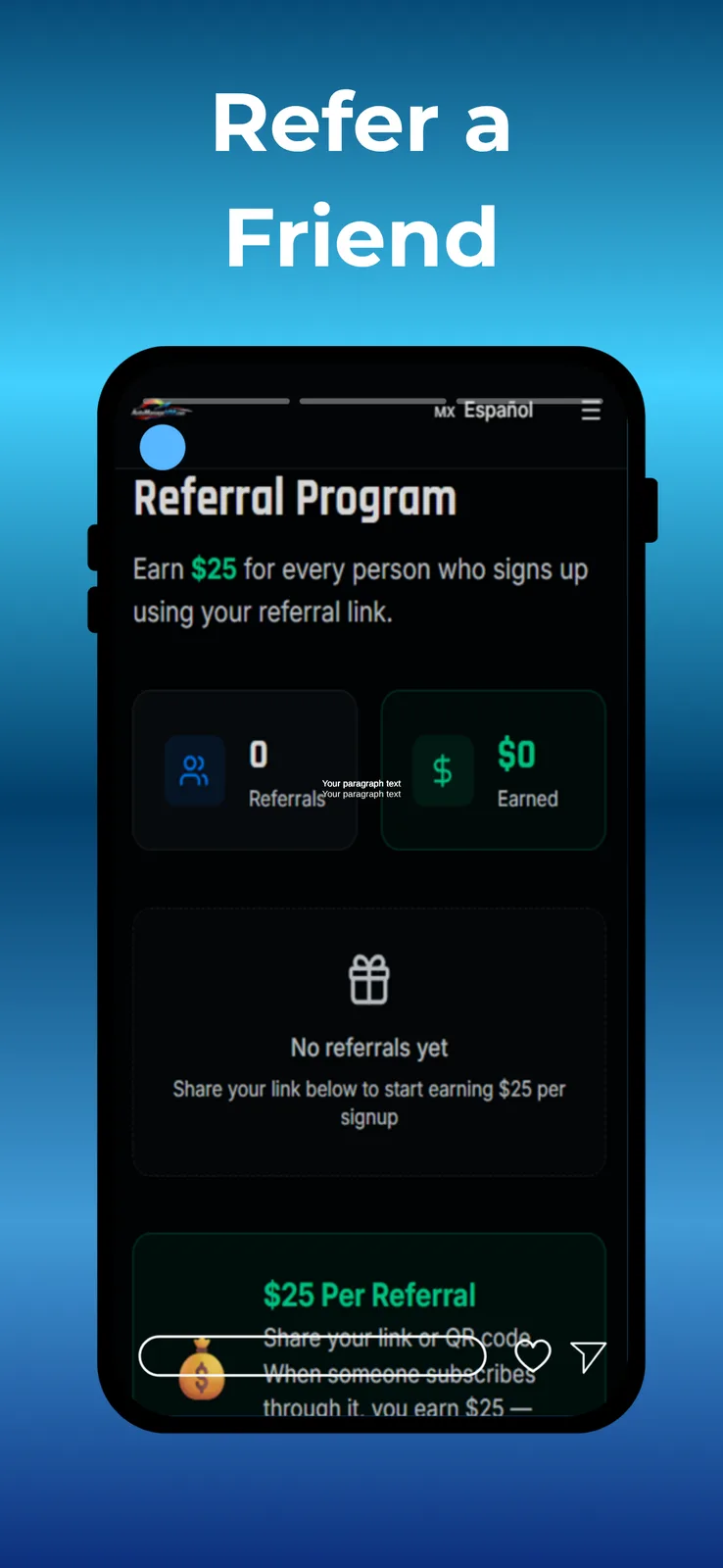
We've ranked six proven methods to generate referrals, from the most impactful to the nice-to-have. Each one is actionable today. And if you're serious about building a sustainable pipeline, AutomanageVM also has a referral program so that you can get rewarded when you recommend a friend or co-worker.
The 6 Best Referral Strategies for Car Salespeople, Ranked
Related: How to Handle Objections in Car Sales: 5 Proven Strategies Ranked
Related: Best Strategies for Overcoming Price Objections in Car Sales
| Strategy | Best For | Effort Level | Rating |
|---|---|---|---|
| Post-Sale Follow-Up & Direct Ask | Building your core referral engine | Low | ★★★★★ |
| Body Shop & Collision Center Partnerships | Tapping into total-loss referrals | Medium | ★★★★★ |
| Insurance Agent Relationships | Replacement vehicle leads | Medium | ★★★★★ |
| Formal Referral Incentive Program | Rewarding repeat referrers | Low-Medium | ★★★★ |
| Online Reviews & Social Proof | Building credibility for inbound referrals | Low | ★★★★ |
| Professional Network Training | Teaching referral sources to think of you | Medium-High | ★★★ |
#1: Post-Sale Follow-Up & Direct Ask
Why it wins: This is your bread and butter. Every customer you sell is a potential referral source, but only if you ask and stay in touch.
How it works: Within 48-72 hours after delivery, contact your buyer to confirm they're happy with their vehicle and the transaction. This isn't a sales call. It's a genuine check-in. During that conversation or in a follow-up email, tell them you'd love referrals from people they know who might be shopping for a car.
Be specific. Say: "If anyone you know is thinking about buying a car in the next few months, I'd appreciate it if you'd send them my way. I'll take great care of them, just like I did for you."
Pro: Costs you nothing. Highest conversion rate because your buyer just had a positive experience with you.
Pro: Repeatable every single sale. This is a numbers game—contact enough customers, ask enough times, and referrals flow in.
Pro: Builds loyalty. Customers who know you value their referrals are more likely to buy from you again.
Con: Many salespeople skip this step because it feels awkward. You have to push past that discomfort.
Con: Requires consistency. If you only ask sometimes, you'll get spotty results.
#2: Body Shop & Collision Center Partnerships

Looking for a vehicle or service?
Contact Us →Why it ranks here: Collision centers handle hundreds of total-loss claims yearly. Every total loss means a customer needing a replacement vehicle. That's your market.
How it works: Identify 3-5 collision centers within 15 minutes of your dealership. Visit them in person. Introduce yourself. Explain that you specialize in helping collision center customers find replacement vehicles quickly and without the usual dealership hassle.
Leave your contact info. Ask to be called when a customer's vehicle is totaled. Then deliver. When a body shop refers you, treat that customer like royalty. Fast approval, great service, smooth transaction.
Pro: Warm referrals. The body shop is vouching for you.
Pro: High urgency. Total-loss customers need a vehicle now, so they're motivated and ready to buy.
Pro: Repeatable income stream. One body shop relationship can generate 5-10 referrals per quarter.
Con: Requires relationship-building legwork upfront.
Con: Body shops may have existing relationships with dealers already. You're competing for that referral.
#3: Insurance Agent Relationships
Why it works: Insurance agents encounter customers with total losses, theft claims, and trade-up situations constantly. They're a goldmine if you build the relationship right.
How it works: Contact local independent insurance agents (they're more likely to refer than captive agents). Attend a local chamber of commerce meeting if your agent uses one. Schedule a 15-minute coffee chat. Explain your expertise in helping their clients find vehicles after a loss or life change.
Give them your personal cell number. Follow up monthly with a quick message. When they refer, close fast and treat the customer exceptionally.
Pro: Insurance agents deal with replacement needs regularly. High-frequency referral potential.
Pro: Customers trust their insurance agent's recommendation.
Pro: Many salespeople ignore this channel, so you face less competition.
Con: Takes time to nurture the relationship before referrals start flowing.
Con: Insurance agents may not fully understand the car-selling process, so educate them on what makes a good referral.
#4: Formal Referral Incentive Program
Why it matters: People respond to incentives. A clear reward structure motivates both customers and referral sources to send you business.
How it works: Create a simple program. Example: "Refer a friend who buys from me, and I'll give you a $200 gift card." Or: "Every referral that closes gets you $100 toward an oil change or accessory."
Communicate it clearly in post-sale emails, print a small flyer, mention it in conversations. Make it easy for people to remember and act on.
Pro: Removes friction. People feel rewarded for their effort.
Pro: Gives you a reason to bring up referrals without it feeling like you're begging.
Con: You're spending money per referral, so you need volume to justify ROI.
Con: Some referral sources will refer regardless of incentive. You might be overpaying for leads you'd get anyway.
#5: Online Reviews & Social Proof
Why it counts: Research shows that 72% of consumers trust online reviews as much as personal recommendations. A strong online presence builds inbound referral credibility.
How it works: After each sale, send customers a text or email asking them to leave a Google, Facebook, or Dealer Rater review. Make it one-click easy by sending a direct link. A positive review from a recent buyer tells the next shopper: "This person is trustworthy. Someone just bought here and was happy enough to say it publicly."
Pro: Creates a halo effect. When friends of your customers see positive reviews, they're more likely to trust a referral.
Pro: Minimal ongoing effort once you build the habit.
Con: Reviews take time to accumulate. This isn't a quick source of referrals.
Con: You're at the mercy of customer willingness to write something public.
#6: Professional Network Training
Why it's lower on the list: It works, but it's resource-intensive. You're essentially training your referral sources to think of you in specific situations.
How it works: Tell your customers and professional contacts exactly what kind of referral you want. Example: "If you know someone who just got married or had a new baby, they might be upgrading their car. Send them my way." Or: "Small business owners getting their first new vehicle—that's my sweet spot. Let me know."
This is education. You're giving people permission to think of you and the language to recognize referral opportunities.
Pro: Highly targeted referrals. You get customers you're actually equipped to help.
Con: Requires repeated, clear communication. One conversation isn't enough.
Con: People forget. You'll need to remind them regularly.
Putting It All Together: Your Referral System
The salespeople crushing it aren't using just one strategy. They're layering them.
They ask for referrals on every post-sale follow-up (strategy #1). They have partnerships with local body shops and insurance agents (strategies #2 and #3). They offer a small incentive for referrals (strategy #4). They ask for reviews to build social proof (strategy #5). And they've trained their network to recognize referral opportunities (strategy #6).
The result? A consistent pipeline of warm, high-quality leads that close at a higher rate than cold shoppers.
To make this work at scale, you need to track it. You need to know which referral sources are actually converting, which follow-ups are getting responses, and which strategies are moving the needle for you personally. That's where AutomanageVM comes in. It's built specifically for individual salespeople like you who want to measure their own performance, see what's working, and improve week over week.
Start with #1, Then Build
Don't try to implement all six strategies at once. That's overwhelming and you'll drop the ball.
Start with post-sale follow-ups and direct asks. Master that first. Once it's a habit, add body shop partnerships. Then insurance agents. Layer in the incentive program and review requests as those become routine.
Most salespeople never get past step one because they don't stay consistent. The ones who do? They're the ones with the strongest pipelines and the steadiest incomes.
Do I have to offer money to get referrals?
No. Many customers will refer you for free if they're genuinely happy with their experience and you ask. An incentive can accelerate referrals, but it's not mandatory. Focus on exceptional service first, then add incentives to supercharge the system.
When should I ask for a referral?
Within 48-72 hours after delivery, during your post-sale follow-up call or email. That's when the positive experience is freshest and the customer is most likely to think of people they know who might need a car.
What if customers say no or don't respond?
Not every customer will refer. That's normal. Your job is to ask enough people that the ones who do say yes create a steady stream of business. It's a volume game. Track your referral response rate, and optimize from there.
Can I rely on referrals alone for my pipeline?
Ideally, referrals should be 20-40% of your monthly leads, mixed with floor traffic, online leads, and previous customers. A referral-only strategy leaves you vulnerable if one source dries up. Diversify, but absolutely double down on building a strong referral engine.
Looking for a vehicle or service?
Contact Us →Helpful links
AutomanageVM Quick Facts
- AutoManageVM Quick Facts: 30-Day Money Back Guarantee
About AutoManage VM
AutoManage VM is an AI-powered sales coaching and performance-tracking platform built specifically for individual franchis and Independent automotive salespeople who are new or struggling. Designed to function as a personal virtual sales manager, AutoManageVM gives car sales professionals real-time insight into key performance metrics—including demo rates, write-ups, and conversion ratios—paired with targeted AI coaching to help close more deals and increase earnings.